
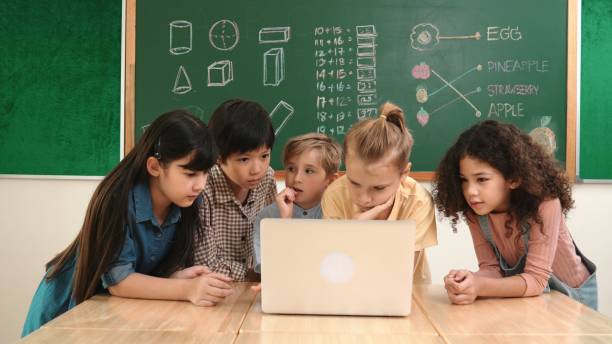
Education is changing rapidly, and today’s classrooms look very different from those of the past. Children now learn not only from textbooks and teachers but also from digital tools, videos, and interactive platforms. This modern approach brings us to an important question many parents ask: what is blended learning?
Blended learning combines traditional classroom methods with digital learning tools, creating a balanced and engaging educational experience. For children, this means learning through books, screens, hands-on activities, and play—all working together. This blog explains what is blended learning, how it works for kids, and why it is becoming a preferred approach in modern education.
What Is Blended Learning?
To understand what is blended learning, think of it as the best of both worlds. It blends face-to-face teaching with online and digital learning experiences.
In blended learning:
- Teachers guide students in person
- Digital tools support lessons
- Students learn at their own pace
- Activities include reading, watching, doing, and discussing
Rather than replacing teachers, technology enhances classroom learning and keeps children actively engaged.
Why Blended Learning Is Ideal for Kids
Children learn in different ways. Some learn best by reading, others by watching, and some by doing. What is blended learning if not a method that respects these differences?
Key Benefits for Children
- Improves engagement and focus
- Supports different learning styles
- Encourages independent thinking
- Builds digital literacy skills
- Makes learning more interactive
By combining traditional and digital methods, children stay motivated and curious.
How Blended Learning Works in Everyday Classrooms
Understanding what is blended learning becomes easier when we see it in action.
Examples of Blended Learning
- Reading a chapter from a textbook, then watching a short educational video
- Learning math concepts through teacher explanations and online games
- Group discussions followed by interactive quizzes
- Homework assignments supported by digital platforms
Many top schools in hyderabad use this approach to create dynamic and engaging classrooms.
The Role of Books in Blended Learning
Books remain an essential part of learning. In blended learning, they provide structure, depth, and focus.
Why Books Still Matter
- Improve reading comprehension
- Build vocabulary and language skills
- Encourage imagination
- Reduce screen dependency
- Strengthen concentration
Blended learning does not replace books; it complements them with digital resources.
The Role of Screens in Blended Learning
Screens, when used wisely, can enhance learning. Understanding what is blended learning includes recognizing how digital tools support education.
Positive Uses of Screens
- Educational videos and animations
- Interactive learning apps
- Virtual experiments and simulations
- Online collaboration tools
- Digital assessments
The key is purposeful screen use, guided by teachers and parents.
Learning Through Fun and Hands-On Activities
Fun is a powerful learning tool. Blended learning often includes hands-on activities that help children apply what they learn.
Fun Learning Activities
- Science experiments
- Art and craft projects
- Group games and challenges
- Storytelling and role play
- Building models and puzzles
These activities strengthen understanding and make learning memorable.
Why Parents Should Understand Blended Learning
Parents play a crucial role in supporting blended learning. Knowing what is blended learning helps parents guide their children effectively.
How Parents Can Support at Home
- Encourage a balance of screen and book time
- Show interest in digital assignments
- Create a quiet learning space
- Monitor online activity
- Communicate regularly with teachers
When parents and schools work together, children benefit the most.
Blended Learning and Personalised Education
One of the biggest advantages of blended learning is personalization. Children can learn at their own pace without pressure.
How Personalization Helps
- Extra practice for difficult topics
- Advanced content for fast learners
- Immediate feedback through digital tools
- Improved confidence
- Better academic outcomes
Many top international schools in hyderabad use blended learning to tailor education to individual student needs.
Developing Digital Skills Through Blended Learning
Digital skills are essential for future success. Blended learning helps children develop these skills naturally.
Digital Skills Children Learn
- Using technology responsibly
- Online research skills
- Digital communication
- Problem-solving with technology
- Cyber awareness
Understanding what is blended learning also means recognizing its role in preparing children for a digital future.
Balancing Screen Time and Traditional Learning
A common concern among parents is screen time. Blended learning focuses on balance, not excess.
Healthy Learning Balance
- Limited and purposeful screen use
- Regular breaks from screens
- Physical activities and outdoor play
- Reading and writing practice
- Family interactions
This balanced approach ensures overall development.
Teacher’s Role in Blended Learning
Teachers remain central to blended learning. Technology supports their teaching but does not replace human interaction.
What Teachers Do
- Guide and mentor students
- Select age-appropriate digital tools
- Monitor progress and participation
- Encourage collaboration
- Provide emotional and academic support
Schools in hyderabad often train teachers to use blended learning effectively.
How Blended Learning Builds Life Skills
Beyond academics, blended learning helps children develop essential life skills.
Skills Developed Through Blended Learning
- Time management
- Self-discipline
- Critical thinking
- Collaboration
- Adaptability
These skills help children succeed both in and outside the classroom.
Challenges of Blended Learning and How to Overcome Them
Like any approach, blended learning has challenges, but they can be managed with the right strategies.
Common Challenges
- Overuse of screens
- Distractions at home
- Technical issues
- Need for guidance
Solutions
- Clear routines and schedules
- Adult supervision
- Age-appropriate tools
- Open communication
When managed well, the benefits far outweigh the challenges.
Why Blended Learning Is the Future of Education
Education is evolving, and blended learning is becoming a standard approach worldwide. Understanding what is blended learning helps parents stay informed and confident in their child’s education.
This approach:
- Keeps learning relevant
- Encourages creativity
- Supports diverse learners
- Prepares children for future careers
Blended learning creates adaptable, confident, and curious learners.
Conclusion
So, what is blended learning? It is a thoughtful combination of books, screens, and fun activities that supports holistic child development. Blended learning keeps children engaged, supports different learning styles, and prepares them for a technology-driven world—all while preserving the value of traditional education.
With the right balance and guidance, blended learning helps children enjoy learning, build confidence, and develop skills that will serve them throughout life.
FAQs
- What is blended learning in simple terms?
Blended learning combines classroom teaching with digital learning tools. - Is blended learning suitable for young children?
Yes, when used appropriately, blended learning supports engagement and understanding. - How does blended learning help students learn better?
It supports different learning styles and allows students to learn at their own pace. - Does blended learning increase screen time?
No, it focuses on balanced and purposeful use of screens. - Why is blended learning important today?
It prepares children with academic knowledge and digital skills for the future.