
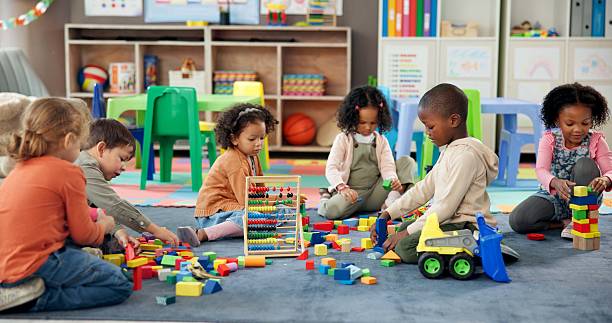
Early childhood is a period of rapid brain development. During these formative years, children learn best through direct interaction with their environment. Sensory play—learning through touch, sight, sound, smell, and movement—plays a vital role in shaping cognitive, emotional, and physical development.
Well-designed sensory activities for kids help children build neural connections, strengthen problem-solving skills, and develop language and social abilities. This article explores the importance of sensory play, its developmental benefits, and practical activities that parents and educators can implement to support holistic learning.
What Is Sensory Play?
Sensory play involves activities that stimulate a child’s senses and encourage exploration. These activities may focus on:
- Touch (textures, temperatures, materials)
- Sight (colors, patterns, shapes)
- Sound (rhythms, tones, music)
- Smell and taste (age-appropriate and supervised)
- Movement and balance
Unlike passive forms of learning, sensory play actively engages children, allowing them to discover concepts through hands-on experiences.
Why Sensory Activities Matter in Early Learning
1. Strengthening Brain Development
Neuroscientific research shows that repeated sensory experiences strengthen neural pathways. When children manipulate materials such as sand, water, or clay, they are not merely playing—they are building cognitive foundations that support later academic skills.
Many progressive institutions, including IGCSE schools in Hyderabad, incorporate experiential learning techniques that align with global education standards.
2. Enhancing Language and Communication
Sensory play encourages children to describe textures, colors, shapes, and experiences. This expands vocabulary and improves expressive communication.
For example, while playing with textured materials, a child may use words such as “smooth,” “rough,” or “sticky,” reinforcing language acquisition.
Types of Sensory Activities for Kids
Tactile Activities (Touch-Based Learning)
Touch-based exploration strengthens fine motor skills and hand-eye coordination.
Examples include:
- Playing with sand or kinetic sand
- Finger painting
- Clay modelling
- Sorting textured objects
These activities support writing readiness and precision skills required in later schooling.
Visual Sensory Activities
Visual stimulation supports recognition and pattern development.
Activities may include:
- Color sorting games
- Matching shapes
- Light and shadow exploration
- Building blocks with varied colors
Institutions recognized as best IGCSE schools in Hyderabad often use structured visual aids to enhance early conceptual learning.
Auditory Sensory Activities
Sound-based activities improve listening skills and auditory discrimination.
Examples include:
- Identifying environmental sounds
- Playing simple musical instruments
- Rhythm clapping games
Strong listening skills contribute to better classroom engagement and comprehension.
Movement-Based Sensory Activities
Movement helps children understand spatial awareness, balance, and coordination.
Activities such as:
- Obstacle courses
- Jumping games
- Balance beam walking
- Yoga for children
are essential for physical development and focus regulation.
Educational environments like top rated CBSE schools in Hyderabad often incorporate physical activity as part of structured learning schedules to ensure balanced development.
Cognitive Benefits of Sensory Play
Improved Problem-Solving Skills
When children experiment with materials—pouring water between containers or constructing shapes with blocks—they learn cause and effect relationships. This forms the basis of logical reasoning.
Better Concentration and Attention
Sensory play encourages sustained engagement. Activities that involve sorting, building, or repetitive motion help children practice focus in a natural, enjoyable way.
Enhanced Memory Retention
Learning through multiple senses increases memory retention. A child who physically interacts with learning materials is more likely to remember the associated concept.
Many best Cambridge schools in Hyderabad emphasize inquiry-driven and experiential learning models that integrate sensory exploration with academic objectives.
Emotional and Social Development Through Sensory Play
Emotional Regulation
Certain sensory activities—such as playing with water or kneading dough—have calming effects. These activities can reduce stress and help children manage emotions effectively.
Building Social Skills
Group sensory activities promote:
- Turn-taking
- Sharing materials
- Collaborative problem-solving
Children learn to communicate, negotiate, and cooperate through shared play experiences.
How Parents Can Encourage Sensory Activities at Home
Parents can easily incorporate sensory play into daily routines without complex setups.
Simple ideas include:
- Cooking activities that involve mixing and measuring
- Gardening and soil exploration
- Water play in supervised settings
- Texture scavenger hunts around the house
The goal is not to create elaborate activities but to encourage curiosity and exploration.
Sensory Play and School Readiness
School readiness extends beyond academic knowledge. Children who engage in regular sensory play often demonstrate:
- Stronger fine motor control
- Improved concentration
- Better emotional resilience
- Enhanced communication skills
These competencies create a smooth transition into structured classroom environments.
Balancing Structure and Exploration
While sensory play is valuable, it should be purposeful and supervised. Structured guidance ensures that children remain safe while exploring materials. Educators and parents must provide boundaries while allowing freedom for creativity.
A balanced approach integrates:
- Guided instruction
- Open-ended exploration
- Reflection and discussion
This combination strengthens both independence and learning outcomes.
Conclusion
Engaging in sensory activities for kids is not merely recreational—it is foundational to early childhood development. Through touch, sight, sound, and movement, children build the cognitive, emotional, and physical skills necessary for lifelong learning.
By incorporating sensory play both at home and in school environments, parents and educators create opportunities for meaningful exploration and deeper understanding. When thoughtfully guided, sensory experiences lay the groundwork for confident, capable learners ready to thrive academically and socially.
FAQs
- What are sensory activities for kids?
They are hands-on activities that stimulate the senses and support cognitive and physical development. - At what age should sensory play begin?
Sensory play can begin in infancy and evolve as the child grows. - How do sensory activities improve learning?
They strengthen neural connections, improve focus, and enhance memory retention. - Are sensory activities only for preschoolers?
No, sensory-based learning can benefit children across various age groups. - Can sensory play help with emotional regulation?
Yes, calming sensory activities can help children manage stress and emotions effectively.