
The term “computer” is widely used in daily life, yet many students often ask about the computer full form. While the word “computer” is not officially an acronym, it is commonly expanded for educational purposes to help learners understand its function and importance.
In academic settings, especially at the primary level, explaining the computer full form helps students connect technology with its purpose. This article provides a clear explanation of the term, its origins, functions, and its role in modern education.
Computer Full Form
A commonly taught expansion of the term COMPUTER is:
C – Commonly
O – Operated
M – Machine
P – Particularly
U – Used for
T – Technical and
E – Educational
R – Research
It is important to note that this is a backronym (an invented expansion) created for learning convenience. Historically, the word “computer” comes from the Latin word computare, meaning “to calculate.”
Origin and Meaning of the Word “Computer”
Originally, the term “computer” referred to a person who performed calculations manually. Over time, with technological advancements during the 20th century, the word evolved to describe electronic machines capable of performing complex computations.
Modern computers are programmable devices that process input, store data, and produce output efficiently. Their functionality has expanded far beyond calculations to include communication, research, design, automation, and artificial intelligence.
Basic Functions of a Computer
Understanding the computer full form is only the first step. Students should also know the fundamental functions of a computer, which include:
1. Input
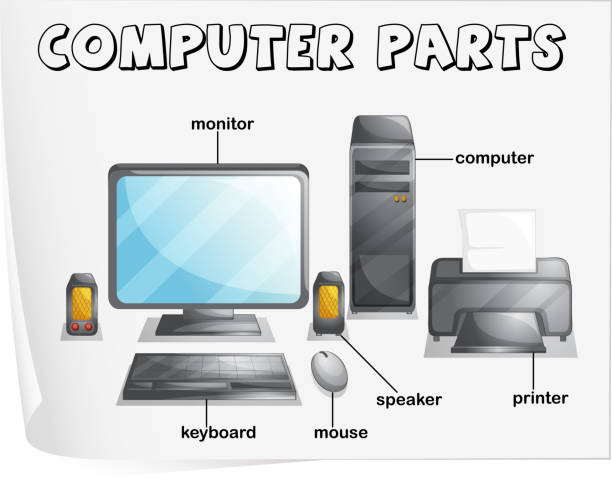
Receiving data through devices such as keyboards, mice, and scanners.
2. Processing
Performing calculations or logical operations on the input data.
3. Storage
Saving information for future use.
4. Output
Displaying results through monitors, printers, or speakers.
These four core functions form the basis of computer education across school curricula.
Importance of Computer Education in Schools
Computer literacy is now an essential component of modern education. Students use computers for:
- Research and assignments
- Online learning platforms
- Coding and programming
- Creative projects
Many globally aligned institutions, including several IGCSE schools in Hyderabad, integrate digital literacy into their academic framework to prepare students for a technology-driven world.
Computer Education Across Different Curricula
Different educational boards incorporate computer studies in structured ways.
IGCSE Curriculum
The Cambridge IGCSE curriculum emphasizes computational thinking, problem-solving, and digital responsibility. Institutions such as best IGCSE schools in Hyderabad often provide structured computer science programs that align with international standards.
CBSE Curriculum
The CBSE board introduces computer applications from primary classes and gradually progresses to advanced topics like programming and database management. Several top rated CBSE schools in Hyderabad integrate coding and digital skills into their curriculum to strengthen analytical thinking.
Cambridge Curriculum
The Cambridge framework encourages project-based learning in computing and technology. Schools such as best Cambridge schools in Hyderabad often focus on developing digital research skills and ethical technology use.
Role of Computers in Everyday Life
Computers are no longer limited to offices or laboratories. They are essential in:
- Banking and finance
- Healthcare systems
- Education platforms
- Communication networks
- Scientific research
Understanding the computer full form helps younger students relate to these broader applications and recognize the device as more than just a screen for games or entertainment.
Advantages of Learning About Computers Early
Introducing computer education at an early age offers multiple benefits:
- Builds digital confidence
- Encourages logical reasoning
- Enhances creativity through digital tools
- Develops problem-solving skills
Early exposure also helps students become responsible digital citizens who understand safe and ethical online practices.
Common Misconceptions About the Computer Full Form
Students often believe that the computer full form is an officially recognized abbreviation. However:
- The word “computer” is not a true acronym.
- The expanded form is a teaching aid.
- Its historical origin is based on the concept of calculation.
Clarifying this distinction ensures conceptual accuracy in learning.
Future Scope of Computer Knowledge
As technology continues to evolve, knowledge of computers extends into areas such as:
- Artificial Intelligence
- Data Science
- Cybersecurity
- Robotics
- Software Development
Strong foundational computer education prepares students to explore these emerging fields confidently.
Conclusion
The computer full form is commonly taught as “Commonly Operated Machine Particularly Used for Technical and Educational Research,” although it is not an official acronym. Understanding this term helps students appreciate the broader role of computers in education and society.
Beyond memorizing the expansion, it is essential for learners to grasp how computers function, why they are important, and how they contribute to modern development. With structured computer education and responsible usage, students can harness technology as a powerful tool for learning and innovation.
FAQs
- Is the computer full form officially recognized?
No, the expansion is a teaching aid and not an official acronym. - What is the origin of the word computer?
It comes from the Latin word computare, meaning “to calculate.” - Why is computer education important in schools?
It builds digital literacy, problem-solving skills, and prepares students for future careers. - At what age should children start learning computers?
Basic digital literacy can begin in primary school with age-appropriate guidance. - What are the main functions of a computer?
Input, processing, storage, and output are the four fundamental functions.