
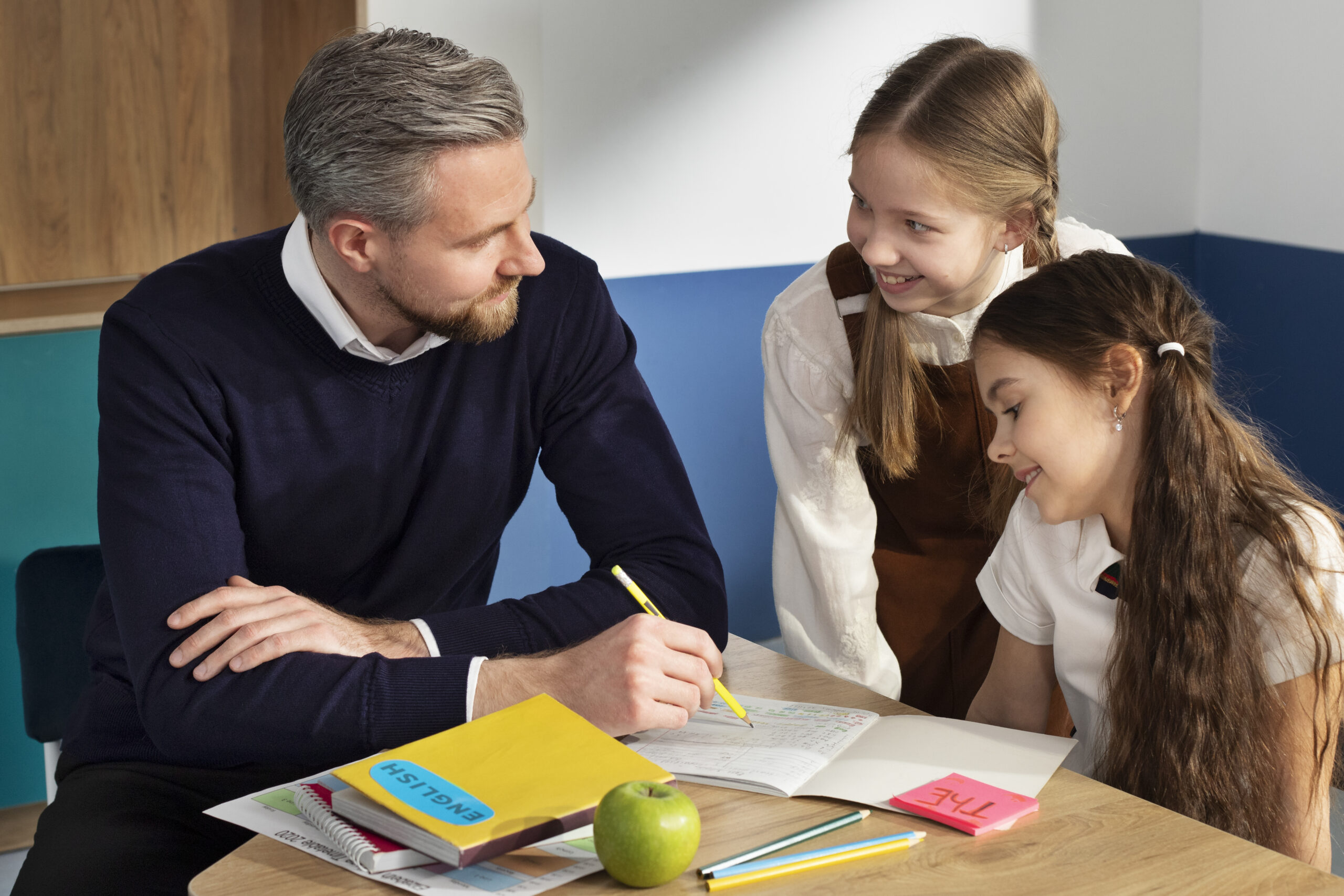
A child’s education is most effective when parents and teachers work together as a team. While teachers guide learning in the classroom, parents reinforce values, habits, and attitudes at home. Strong parent and teacher relationships create a supportive environment that helps students grow academically, socially, and emotionally.
When communication is open and collaboration is consistent, children feel encouraged, understood, and motivated. This blog explores why parent and teacher relationships matter, the challenges that can arise, and practical strategies parents and educators can use to strengthen partnerships for student success.
Why Parent-Teacher Relationships Matter
Children thrive when they see the important adults in their lives working together. Healthy parent and teacher relationships create alignment between home and school expectations.
Benefits of Strong Collaboration
- Better academic performance
- Improved student behavior
- Increased confidence and motivation
- Early identification of learning needs
- Emotional and social support
When parents and teachers share insights and observations, they gain a more complete understanding of the child.
The Role of Communication in Parent-Teacher Relationships
Clear, respectful communication is the foundation of strong parent and teacher relationships. It ensures both sides stay informed and involved in a child’s progress.
Effective Communication Includes
- Regular updates on academic performance
- Honest discussions about strengths and challenges
- Respectful listening from both sides
- Constructive problem-solving
- Timely sharing of concerns
Schools such as best cambridge schools in hyderabad often emphasize structured communication channels to keep parents engaged and informed.
Common Challenges in Parent-Teacher Relationships
Even with good intentions, misunderstandings can occur. Recognizing challenges early helps maintain positive parent and teacher relationships.
Common Challenges
- Limited time for meetings
- Misaligned expectations
- Lack of clarity in communication
- Emotional responses during difficult discussions
- Cultural or language differences
Acknowledging these challenges allows both parents and teachers to approach conversations with patience and empathy.
How Parents Can Strengthen Relationships with Teachers
Parents play a crucial role in building strong parent and teacher relationships by being proactive and supportive.
Practical Tips for Parents
- Attend parent-teacher meetings regularly
- Be open to feedback and suggestions
- Share important information about your child
- Communicate respectfully and clearly
- Support school policies and classroom goals
When parents show interest and cooperation, teachers feel valued and supported.
How Teachers Can Build Trust with Parents
Teachers also contribute significantly to positive parent and teacher relationships by creating a welcoming and transparent environment.
Ways Teachers Can Build Trust
- Communicate clearly and consistently
- Highlight both strengths and areas for improvement
- Encourage parent involvement
- Be approachable and understanding
- Respond to concerns promptly
Strong trust encourages collaboration and long-term engagement.
The Impact of Parent-Teacher Relationships on Student Success
Positive parent and teacher relationships directly influence a student’s learning experience.
Positive Outcomes for Students
- Better classroom engagement
- Higher academic achievement
- Improved emotional well-being
- Greater accountability
- Increased motivation
Students perform better when they feel supported by both home and school.
Encouraging Consistency Between Home and School
Consistency is key to reinforcing positive behavior and learning habits. Strong parent and teacher relationships help align expectations.
Ways to Maintain Consistency
- Reinforce classroom rules at home
- Support homework routines
- Encourage positive study habits
- Address behavior concerns collaboratively
Schools like best cbse schools in hyderabad often emphasize consistency to ensure children receive clear and supportive guidance.
The Importance of Mutual Respect
Respect is essential for maintaining healthy parent and teacher relationships. Both sides bring valuable perspectives and experiences.
What Mutual Respect Looks Like
- Listening without judgment
- Valuing professional expertise
- Acknowledging parental insights
- Communicating calmly during disagreements
Respectful interactions build trust and long-term cooperation.
Using Technology to Improve Parent-Teacher Relationships
Technology has made communication easier and more efficient, strengthening parent and teacher relationships.
Helpful Digital Tools
- School apps for updates and notices
- Email communication
- Online progress reports
- Virtual meetings
- Messaging platforms
These tools ensure parents stay informed even with busy schedules.
Involving Parents in School Activities
Active involvement strengthens parent and teacher relationships and enhances a child’s school experience.
Ways Parents Can Get Involved
- Attend school events and workshops
- Volunteer when possible
- Participate in parent committees
- Support school initiatives
Involvement shows children that education is a shared priority.
Cultural Understanding in Parent-Teacher Relationships
Schools today serve families from diverse backgrounds. Sensitivity to cultural differences strengthens parent and teacher relationships.
Building Cultural Understanding
- Respect diverse perspectives
- Be open to different communication styles
- Encourage inclusive conversations
- Avoid assumptions
Inclusive environments help all families feel valued and respected.
Supporting Emotional Development Through Collaboration
Strong parent and teacher relationships also support a child’s emotional well-being.
Emotional Benefits for Students
- Increased sense of security
- Better stress management
- Improved self-esteem
- Stronger social skills
When parents and teachers collaborate, emotional challenges can be addressed early and effectively.
Choosing the Right School Environment
A school’s approach to collaboration plays a major role in shaping parent and teacher relationships. Parents often look for institutions that value partnership and transparency.
Schools following international frameworks, such as cambridge syllabus schools in hyderabad, typically encourage regular parent engagement and open communication.
Long-Term Benefits of Strong Parent-Teacher Relationships
Positive parent and teacher relationships extend beyond academics and contribute to lifelong success.
Long-Term Advantages
- Strong learning habits
- Positive attitude toward education
- Improved social skills
- Better decision-making abilities
Children benefit most when adults work together consistently.
Conclusion
Strong parent and teacher relationships are essential for student success. When parents and teachers communicate openly, respect each other’s roles, and collaborate consistently, children receive the support they need to thrive academically and emotionally.
By fostering trust, maintaining regular communication, and working toward shared goals, parents and teachers can create a nurturing environment that empowers students to reach their full potential.
FAQs
1. Why are parent and teacher relationships important?
They help support a child’s academic performance, behavior, and emotional well-being.
2. How can parents improve communication with teachers?
By attending meetings, sharing information, and communicating respectfully and regularly.
3. What role do teachers play in parent and teacher relationships?
Teachers build trust through clear communication, transparency, and encouragement of parent involvement.
4. How do parent and teacher relationships affect student behavior?
Consistent expectations between home and school lead to improved behavior and accountability.
5. Can strong parent and teacher relationships improve academic results?
Yes, collaboration creates a supportive environment that enhances learning and motivation.